
.png)
Awards & Recognition
Beyond the Trophy: How Smart Companies Use Awards & Recognition to Retain Their Best People
Someone on your team just completed five years at the company. You sent an automated email. HR ordered a generic crystal trophy from the same catalogue they’ve used for a decade. There was a brief mention in the all-hands meeting.
Three months later, that person accepted an offer somewhere else.
The exit interview said “better opportunity.” But read between the lines long enough in Indian workplaces, and a pattern emerges: people don’t leave because they weren’t paid enough. They leave because they didn’t feel seen.
This blog is about what recognition actually looks like when it’s done well — and why it matters far more than most Indian companies currently treat it. We’ll look at the psychology behind it, how leading organisations are building employee recognition programs that genuinely reduce attrition, and what role physical awards and appreciation gifts play in making recognition stick. If you’re in HR, Procurement, or leadership, this is worth your time.
Why Recognition Is a Retention Strategy, Not a Nice-to-Have
Retention conversations in most Indian companies orbit around two things: salary and career growth. Recognition rarely makes the shortlist. That’s a strategic oversight.
Gallup’s research consistently shows that employees who feel adequately recognised are significantly less likely to leave their organisation in the next year. The number that tends to stop HR leaders mid-sentence: companies with strong recognition cultures have meaningfully lower voluntary turnover than those without.
4x more likely to be engaged
Employees who feel recognised are four times more likely to be engaged at work — Gallup
And attrition is expensive. Replacing a mid-level employee in India costs anywhere from six months to a full year’s salary when you factor in recruitment, onboarding, and the productivity gap while the role is open. A recognition programme that prevents even a handful of attritions per year pays for itself many times over.
The question isn’t whether you can afford to invest in recognition. It’s whether you can afford not to.
What Does Recognition Actually Mean? (It’s Not What Most Companies Think)
Recognition is not the same thing as reward. Reward is transactional — hit the target, get the bonus. Recognition is relational — I see the effort you put in, I acknowledge it publicly, and I want you to know it matters.
This distinction matters because a lot of companies think they have a recognition programme when what they actually have is a rewards programme. The two should coexist, but they serve different psychological needs.
“People work for money. They go the extra mile for recognition.”
The three things employees actually want from recognition
Decades of organisational psychology have converged on a fairly consistent answer. Employees want recognition that is timely, specific, and public.
Timely means within days of the achievement, not three months later at an annual ceremony. Specific means naming the actual thing they did — not “great work this quarter” but “the way you handled the Pune client escalation kept that account from churning.” Public means acknowledged in front of peers, because peer respect is often more motivating than manager approval.
Most corporate recognition programmes in India fail on all three counts. The trophy arrives late. The citation is generic. The ceremony is attended by fifteen people and then forgotten.
Why physical recognition still matters in a digital world
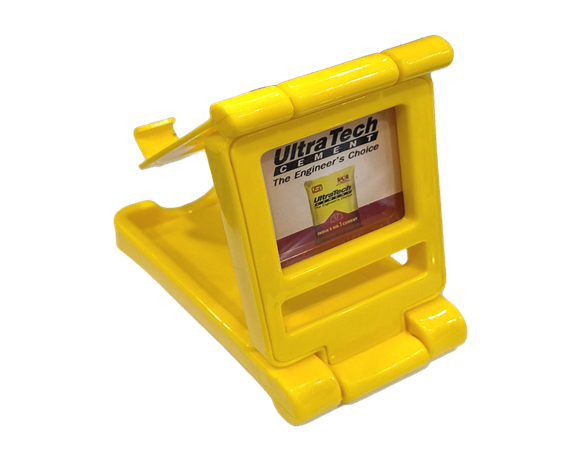
A Slack message of appreciation disappears in twenty-four hours. A LinkedIn shoutout gets scrolled past. But a well-crafted award — a weighty corporate paperweight engraved with the employee’s name and achievement, or a customized pen stand for office that sits on their desk every day — is a permanent, visible reminder that they were seen.
That’s not sentimentality. That’s psychology. Physical objects anchor memories in a way that digital acknowledgements don’t. Every time that employee sits down at their desk and sees their name on that award, the positive association with your company gets reinforced.
This is why the physical form of recognition still matters, even as everything else moves digital. The object carries the meaning long after the moment has passed.
How Smart Indian Companies Are Building Recognition Programs That Work
The companies doing this well share a few common traits. They treat recognition as a system, not an event. They make it consistent. And they think carefully about the physical touchpoints that make it real.
They create a recognition calendar, not a single annual moment
A single annual awards ceremony is the minimum viable version of recognition. It works, but it only reaches a fraction of the moments worth acknowledging. Smart companies build a calendar that spans the year: spot awards for in-the-moment recognition, quarterly acknowledgements for sustained performance, milestone awards for tenure and achievement, and team-level recognition for collective wins.
Each of these moments can be paired with a physical item scaled to the occasion. An employee’s first-year anniversary warrants something different from a five-year milestone. A spot award for great client feedback can be as simple as a branded pen stand with a personalised note. A decade of service deserves something that actually feels significant.
They personalise, even at scale
The biggest complaint employees have about recognition programmes is that the gifts feel generic. The same item, year after year, given to everyone in the same category. It signals that nobody actually thought about them as an individual.
Personalisation doesn’t have to mean expensive. It means a name engraved, not just a company logo. It means a citation that references the actual achievement, not a template. It means choosing a product that fits the recipient’s role or context — a customized pen stand for office for a desk-based team member feels more considered than handing out the same item across a field sales team.
They invest in quality over quantity
A cheap trophy sends a message. Not the one you intended, but a message nonetheless. When the award itself feels like an afterthought — lightweight, generic, poorly finished — it communicates that the recognition is also an afterthought.
Quality matters disproportionately here. A heavier, well-finished award with precise engraving communicates respect. It says: we invested in this because you’re worth investing in. A desk item that feels substantial — something with weight and considered finish — carries that message every single day. That feeling is the entire point of a recognition programme.
This is something we think about carefully at Kee Creation when companies come to us for awards and recognition products — the material, the finish, the weight, the engraving quality all contribute to how the recipient experiences the moment. A recognition award is not a promotional giveaway. It deserves to be treated differently.
What Should an Employee Recognition Program in India Actually Include?
There’s no universal template, but here’s a framework that works across industries — pharma, FMCG, corporate services, beverages, manufacturing.
Tenure milestones
One year, three years, five years, ten years and beyond. Each milestone should have a physical award that grows in weight and significance as the years accumulate. This is the most basic layer of any employee recognition program in India, and it’s the one most companies at least attempt. The difference between doing it badly and doing it well is almost entirely in the quality and personalisation of the award.
Performance awards
Annual or quarterly recognition for top performers, highest growth, best client satisfaction scores, most improved. These tend to work best when they’re competitive but not zero-sum — recognising the top 10% rather than just the top one person means more people feel the programme is accessible.
Physical awards for this tier should feel aspirational. Something an employee would genuinely want to display on their desk, not put away in a drawer. The difference between an award that stays visible for years and one that gets forgotten comes down almost entirely to quality and personalisation — a name properly engraved, a finish that feels considered, enough presence to hold its own on a desk. A generic plaque rarely makes the cut.
Peer-to-peer recognition
Some of the highest-impact recognition doesn’t come from management — it comes from colleagues. Structuring a way for team members to nominate and acknowledge each other taps into a different kind of motivation. The physical token for peer recognition can be smaller and more frequent — a branded item, a personalised card, a small desk accessory — because the volume is higher and the value is in the consistency, not the grandeur.
Spot recognition
In-the-moment acknowledgement for something specific that just happened. The most powerful version of this is public and fast — within 24 to 48 hours of the achievement. At scale, spot recognition can be paired with a small physical item or a personalised note, but what matters most here is the timeliness and specificity, not the size of the gift.
The Products That Make Recognition Tangible
Choosing the right physical item for a recognition moment matters more than most procurement teams realise. Here’s a practical guide to what works at each tier.
Premium tier: milestone and performance awards
This is where quality should be non-negotiable. The award needs to feel like it was made for the person receiving it — heavy enough to have presence, finished well enough to be displayed. Engraved with a name, an achievement, a date. Whether it’s a desk piece, a trophy base, or something more sculptural, what matters is that it communicates permanence. These are items designed to be kept, not stored.
The engraving should include: the employee’s name, the achievement or milestone, and the date. Simple, specific, permanent.
Mid-tier: performance and team awards
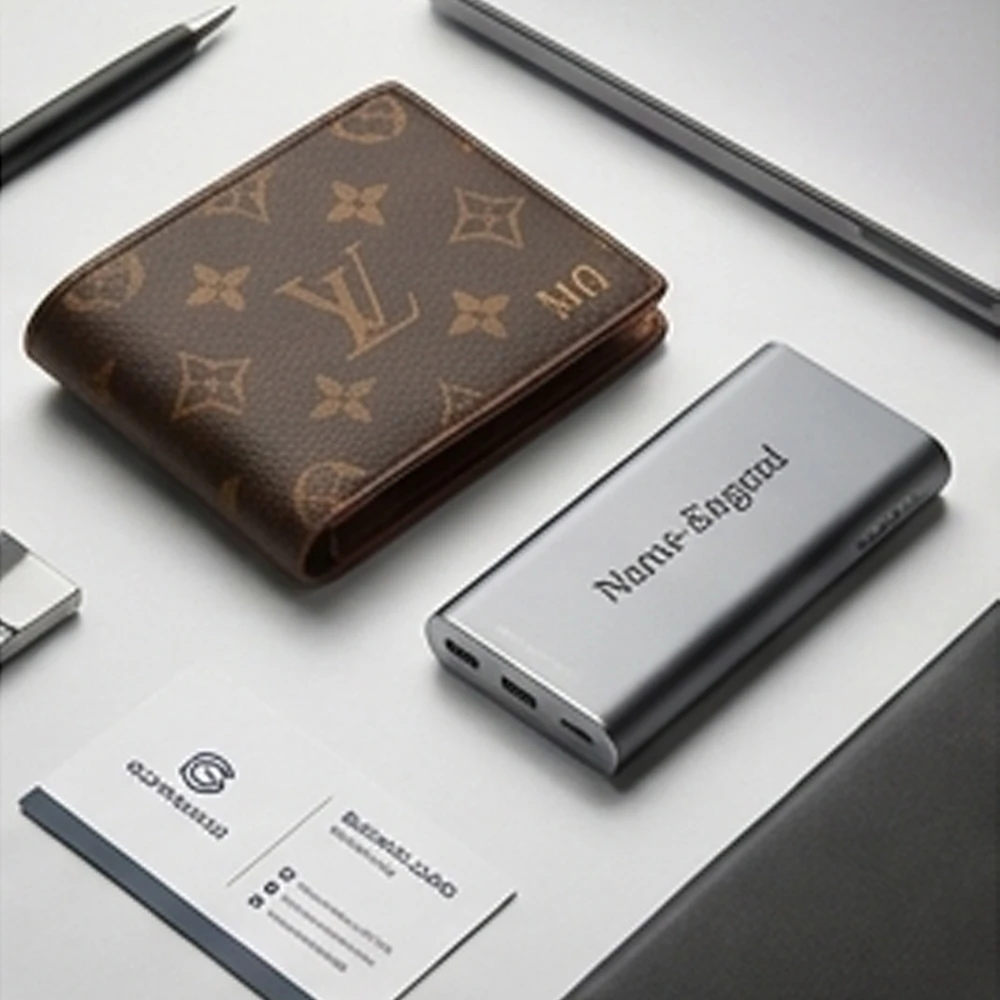
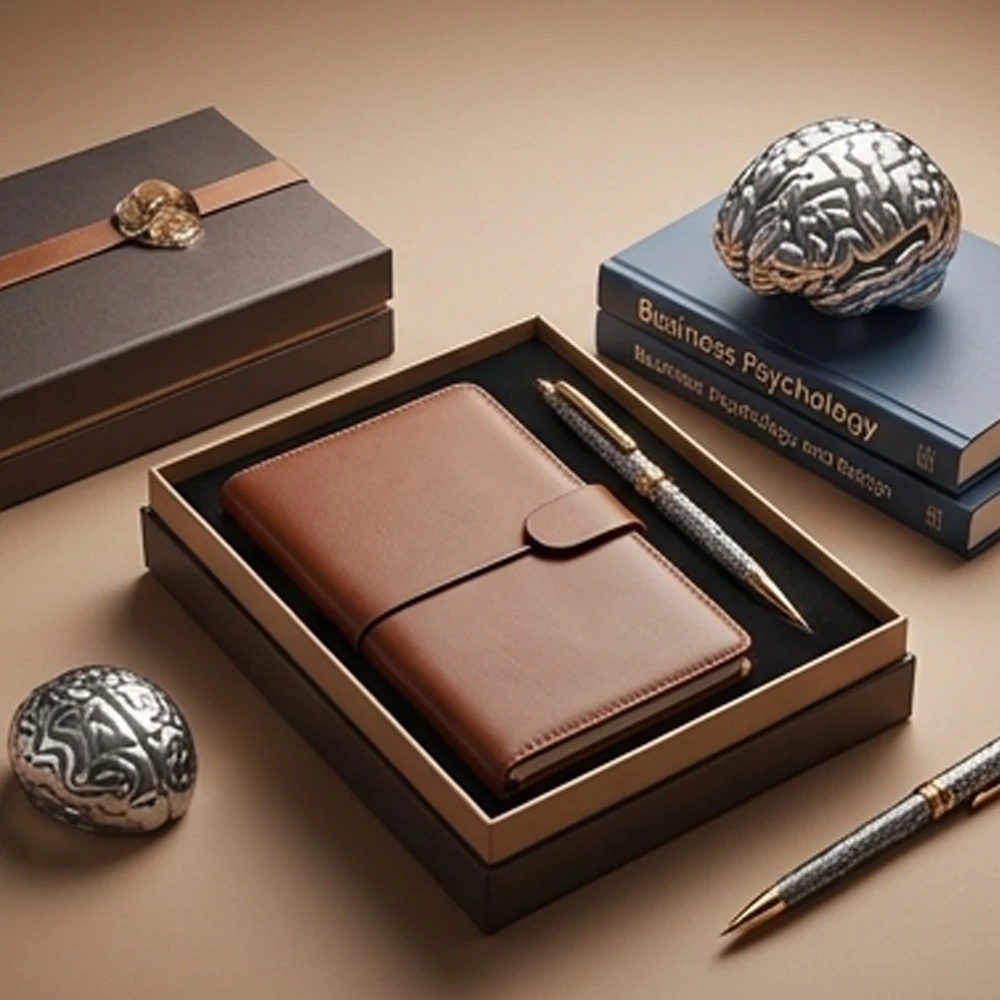
Useful items that earn their place by being used every day — a personalised desk piece with the employee’s name on it, a quality notebook and pen set that actually gets reached for. The brief here is utility plus personalisation. When something is genuinely useful and carries a person’s name, it stays on the desk. When it’s just branded, it doesn’t.
Entry-tier: spot and peer recognition
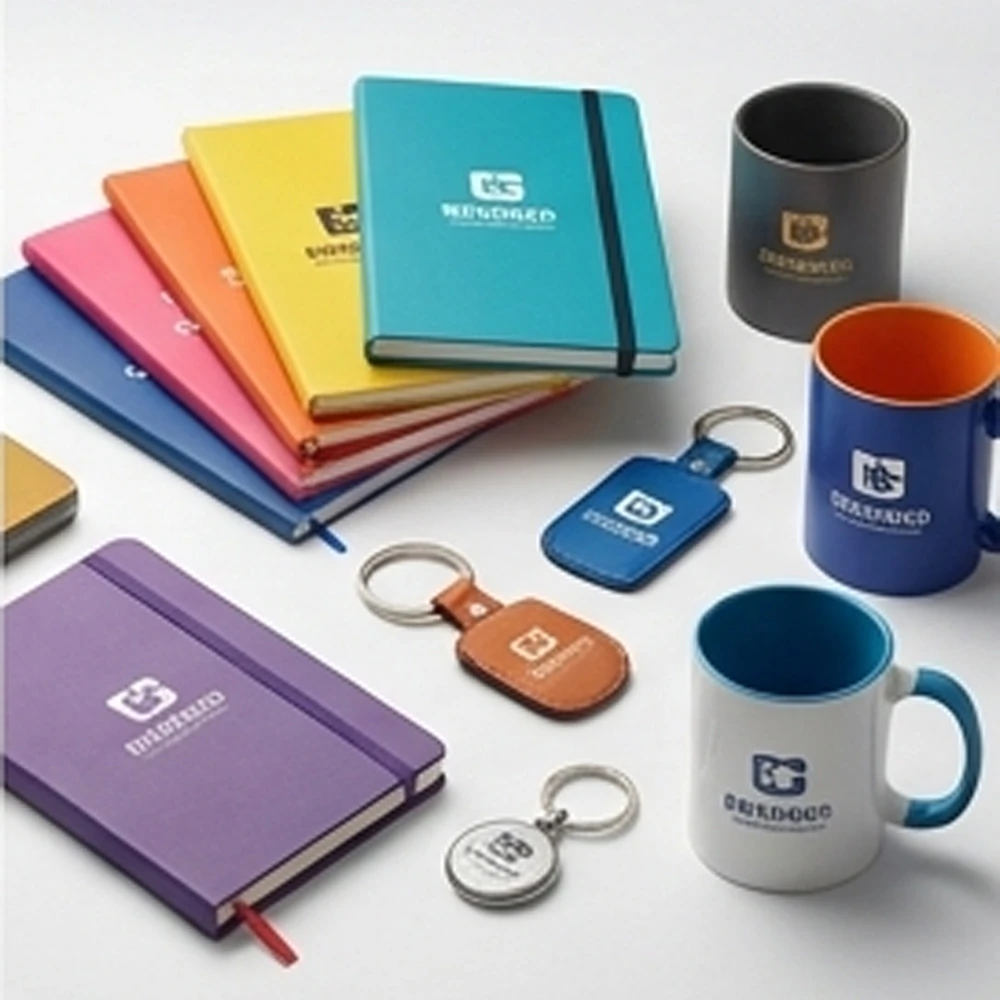
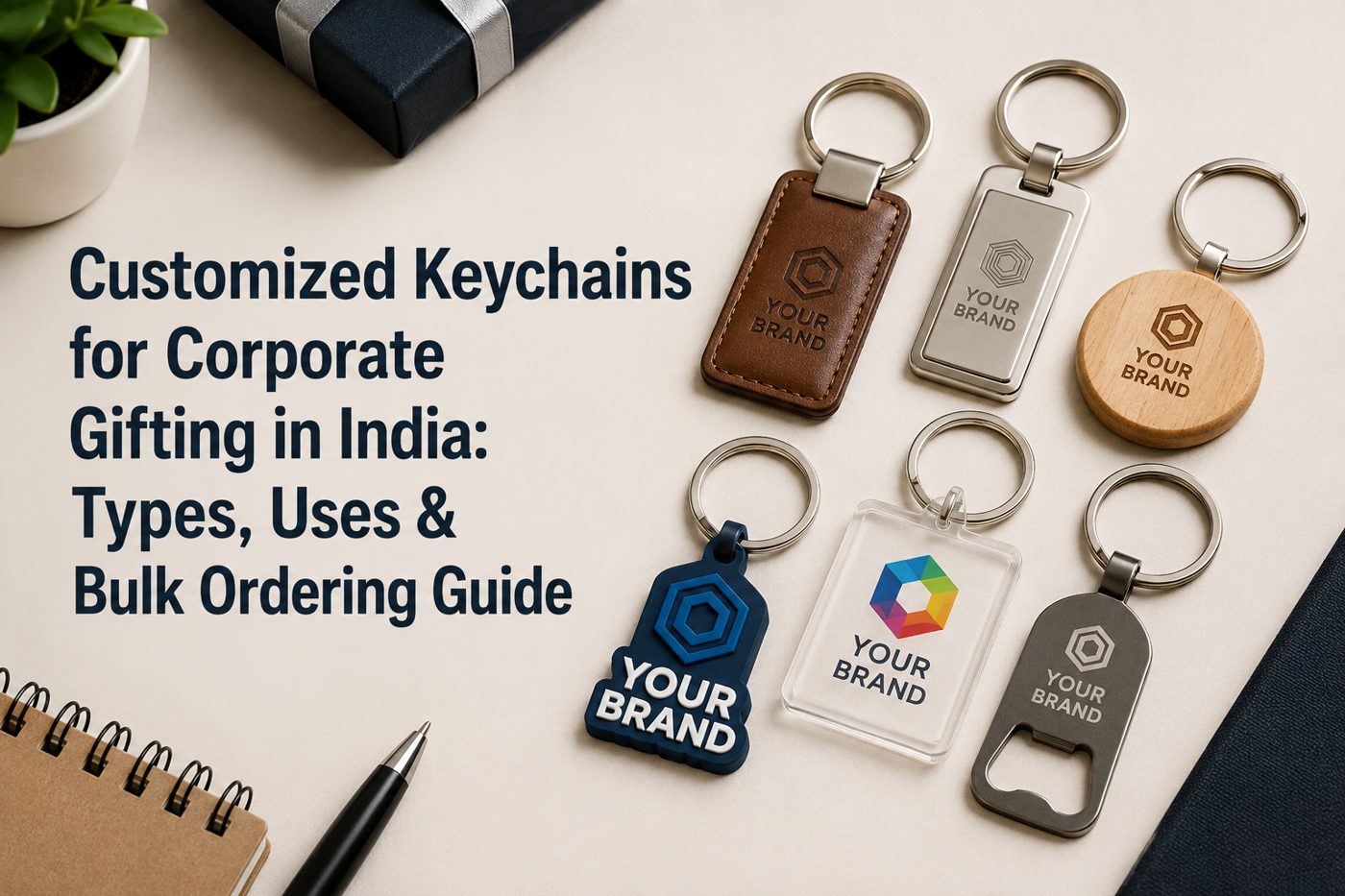
Smaller, frequent, still branded. Keychains, branded pens, small notebooks with a personal note tucked in. The emphasis here is on consistency and speed, not grandeur. The item is the physical anchor for the verbal recognition — it doesn’t need to be expensive to be meaningful.
The Common Mistakes That Undermine Recognition Programs
Treating it as an HR checkbox
Recognition programmes that exist on paper but not in practice — where managers don’t use them, where nominations go unacknowledged, where the ceremony is perfunctory — do more harm than no programme at all. They signal that the company knows it should care but doesn’t actually.
Going generic to save money
The same crystal trophy for every award, every year, with nothing personalised except a sticker label. This is the recognition equivalent of a form letter. The cost difference between a generic award and a quality, engraved one is often marginal when bought in sensible volumes. The perception difference is enormous.
Recognising only results, never effort
Pure outcome-based recognition misses the employees who worked just as hard but were in more difficult circumstances — a tougher territory, a harder account, a team that was under-resourced. Recognising exceptional effort, not just exceptional results, signals a more mature and fair culture.
Making it top-down only
When recognition only flows from management to employees, it misses the social layer that makes it most powerful. Peer-to-peer recognition is often more motivating because it comes from people who understand the day-to-day reality of the work. Build it into your programme.
The Bottom Line
The companies that retain their best people in 2026 aren’t necessarily the ones paying the most. They’re the ones where people feel genuinely seen — where achievements are acknowledged specifically, publicly, and with something tangible that lasts beyond the moment.
Building a proper employee recognition program doesn’t require a massive budget. It requires intention, consistency, and a willingness to invest in the physical moments that make recognition real. The trophy isn’t just a trophy. It’s the proof that somebody noticed.
If you’re thinking about building or refreshing your awards and recognition programme — from milestone awards to everyday desk accessories — let’s talk.
Frequently Asked Questions
What is an employee recognition program and why does it matter in India?
An employee recognition programme is a structured approach to acknowledging and rewarding employees for their contributions, milestones, and behaviours that align with company values. In India, where attrition rates in sectors like pharma, FMCG, and IT services remain high, recognition programmes help build emotional loyalty that salary alone doesn’t create. Research consistently shows that employees who feel recognised are significantly more engaged and less likely to leave.
What is the difference between awards and recognition versus rewards?
Rewards are transactional — you achieve a target, you receive a bonus or incentive. Recognition is relational — your effort, contribution, or milestone is acknowledged publicly and specifically. Both matter, but they serve different needs. A recognition programme focuses on making people feel seen; a rewards programme focuses on driving performance through incentives. The most effective companies have both, running in parallel.
What are good employee appreciation gifts for Indian workplaces?
The best appreciation gifts are useful, personalised, and visible. Customized pen stands for office with the employee’s name, quality diary and pen sets, and engraved paperweights are consistently well-received because they sit on desks and are seen daily. For milestone awards, heavier, premium items with specific engraving — name, achievement, date — carry more meaning than generic trophies.
How do companies use promotional paperweights for corporate recognition?
A paperweight used for recognition is typically a premium, weighted desk item made from metal, stone, or crystal, engraved with the employee’s name, their achievement, and the company’s branding. Unlike a trophy that gets stored, a paperweight is functional — it stays on the desk, visible every day, as a permanent reminder of the recognition. It works particularly well for milestone and performance awards.
How often should a company run employee recognition programs?
Recognition shouldn’t be an annual event — it should be a system running at multiple frequencies. Spot recognition should happen within days of an achievement. Team or performance recognition can be quarterly. Milestone awards (tenure, promotions) happen as they occur. Annual ceremonies are fine as a capstone but shouldn’t be the only moment. The companies with the strongest retention cultures make recognition a consistent, year-round practice rather than a single event.

























.png)
.png)
.png)
.png)
.png)