
Promotional Gifting
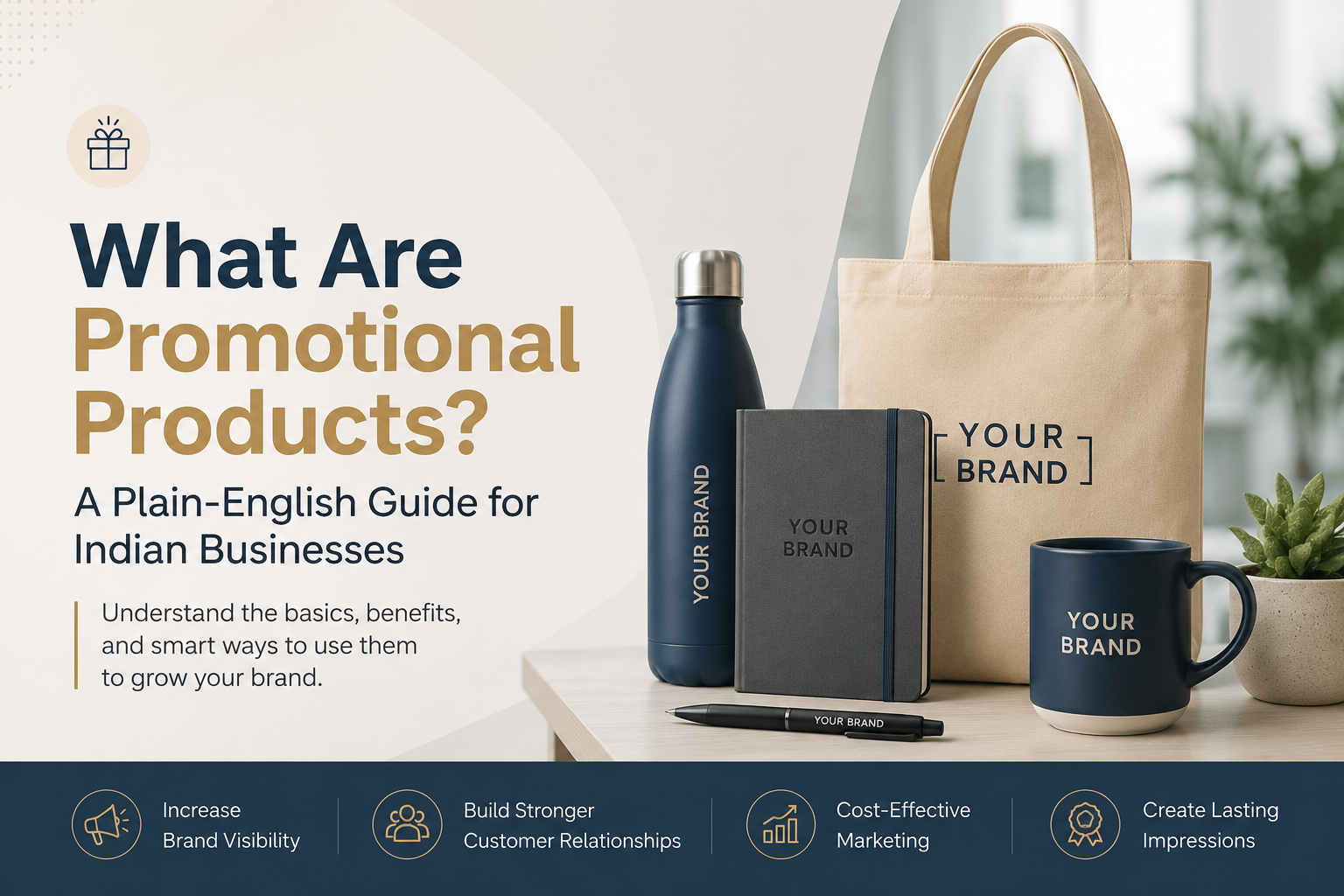
What Are Promotional Products? A Plain-English Guide for Indian Businesses
Your brand spent money on a stall at a trade fair. You handed out something — maybe a pen, a keychain, a tote bag with your logo on it. Someone in the crowd took it. Three months later, that same person pulled out that pen in a meeting and a colleague asked, “Where’d you get this?”
That’s not luck. That’s promotional products doing exactly what they’re supposed to do.
But here’s the thing: most businesses in India still treat promotional merchandise like an afterthought — something you order last-minute, stuff in a bag, and forget about. That’s a missed opportunity, and this guide will show you why.
In this guide, you’ll get a clear, no-nonsense answer to what promotional products actually are, how they work as a marketing tool, and which categories make the most sense for Indian brands — especially if you’re in FMCG, pharma, beverages, or B2B services. We’ll also look at what separates a forgettable giveaway from something that genuinely builds brand recall.
What Are Promotional Products, Exactly?
Promotional products are physical, branded items given to customers, prospects, employees, or event attendees — with the goal of keeping your brand visible and top-of-mind.
The key word is branded. A plain notebook is stationery. A notebook with your logo, your tagline, or your brand colour — and given with intent — is a promotional product.
They go by several names: advertising specialties, branded merchandise, swag, giveaways, corporate gifts. The terms are often used interchangeably, though there are subtle differences (corporate gifting, for example, usually implies higher-value items given to specific individuals). But the core idea is the same: a tangible object that carries your brand into the world.
How is this different from advertising?
Think about it this way. A digital ad runs for as long as you pay for it. Once the budget dries up, it’s gone. A customized keychain or a branded pen with logo can sit on someone’s desk, in their pocket, or on their car keys for months — sometimes years — without spending another rupee.
The Advertising Specialty Institute (ASI) regularly tracks this and finds that promotional products deliver more impressions per rupee than almost any other advertising medium. A quality pen or keyring is seen multiple times a day, by the person who has it and everyone around them.
Why Do Promotional Products Actually Work?
There’s a psychological concept called the reciprocity effect. When you give someone something — even something small — they feel a subtle pull to reciprocate. In a sales or marketing context, that translates to goodwill, openness, and better brand association.
But it goes beyond psychology. Here’s what makes promotional merchandise consistently effective:
- Longevity: A useful item sticks around. A pen, a keychain, a pen stand — these live on desks and in pockets. Every time someone uses them, your brand gets a free impression.
- Tangibility: In a world flooded with digital noise, something physical cuts through. It can be touched, held, used. That tactile experience creates a stronger memory trace than a banner ad.
- Utility-driven recall: The more useful the product, the more it’s used. The more it’s used, the more your brand is seen. This is why promotional keychains and pens consistently outperform novelty items — people actually need them.
- Word-of-mouth: A well-designed, quality item gets noticed. People ask about it. That’s earned media at zero extra cost.
What Counts as a Promotional Product? The Main Categories
The category is broader than most people realise. Here’s a practical breakdown of what’s commonly used by Indian brands:
Writing Instruments
Arguably the most universal promotional item. Branded pens with logo are used daily, seen by multiple people, and carry your brand into every meeting, office, and home they enter. The trick is quality — a pen that skips or runs dry after a week does more damage than good.
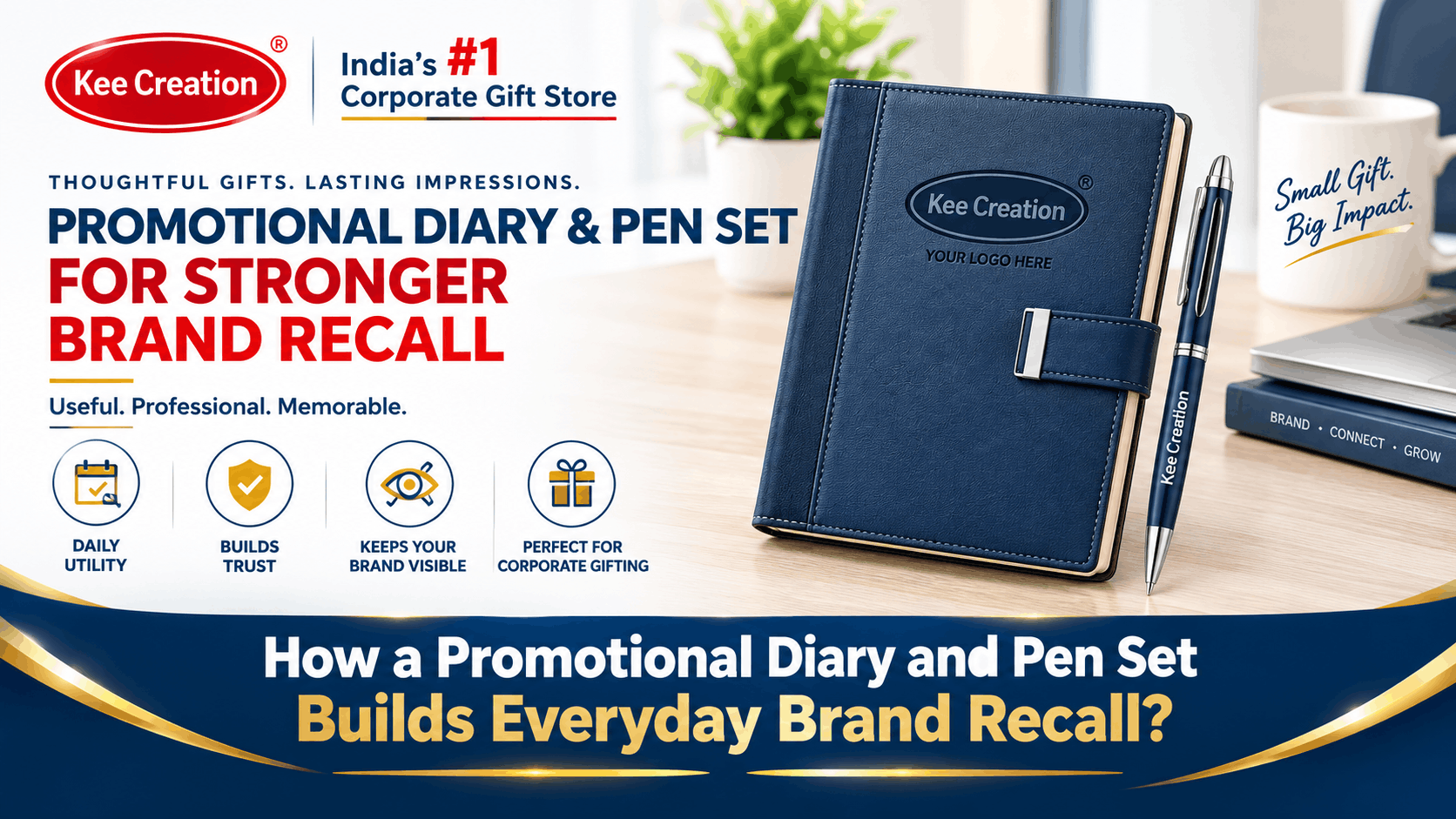
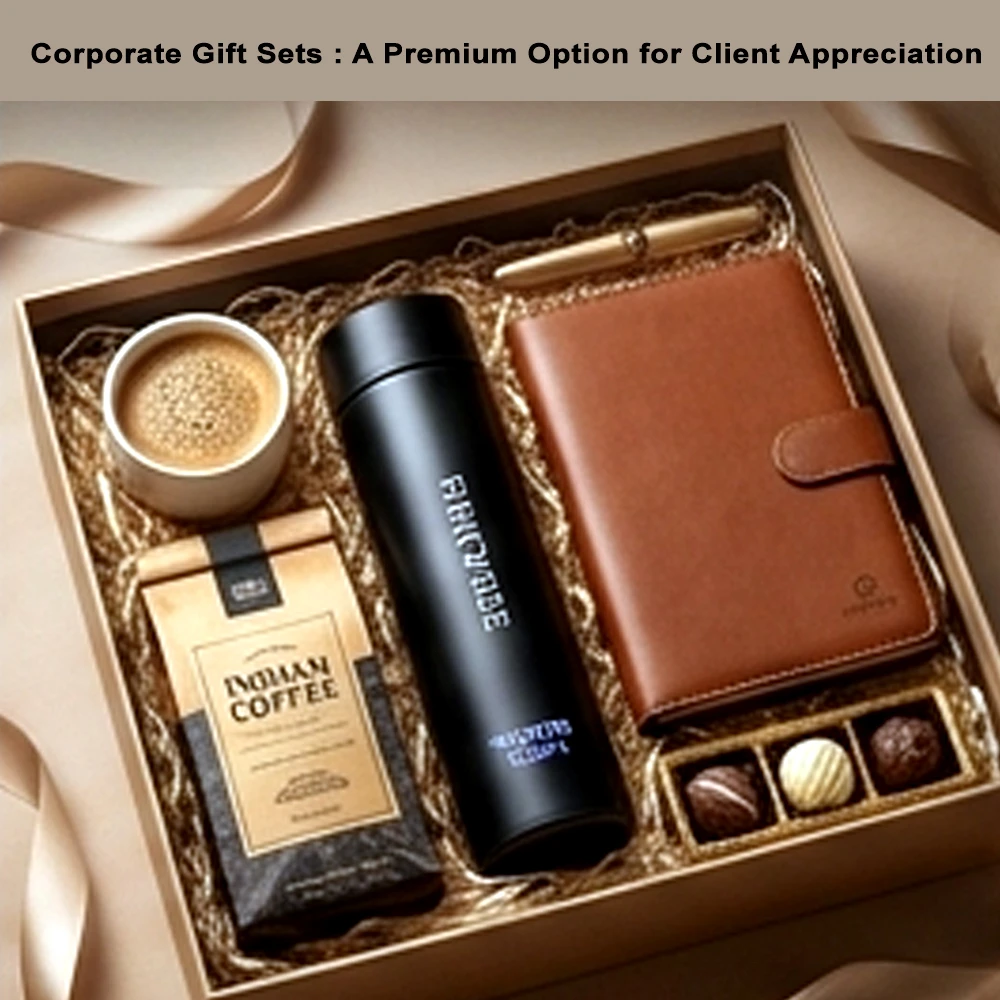
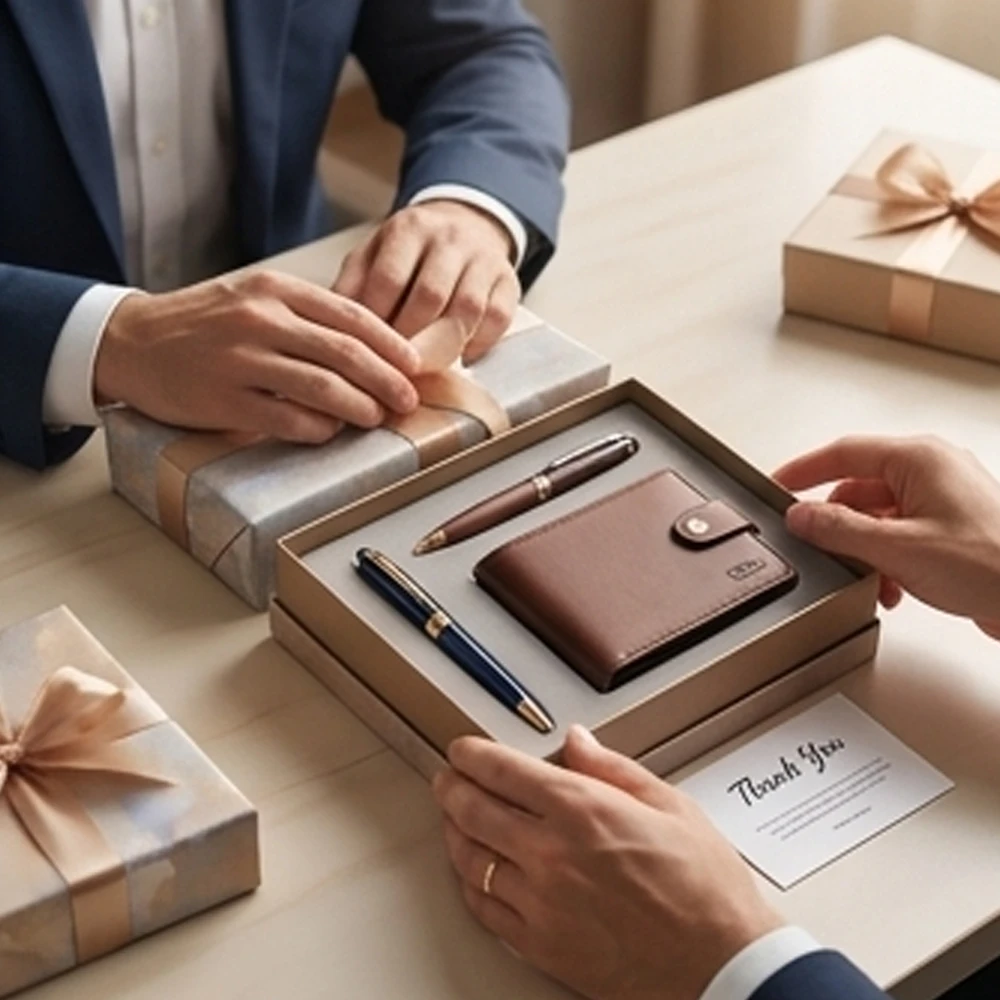
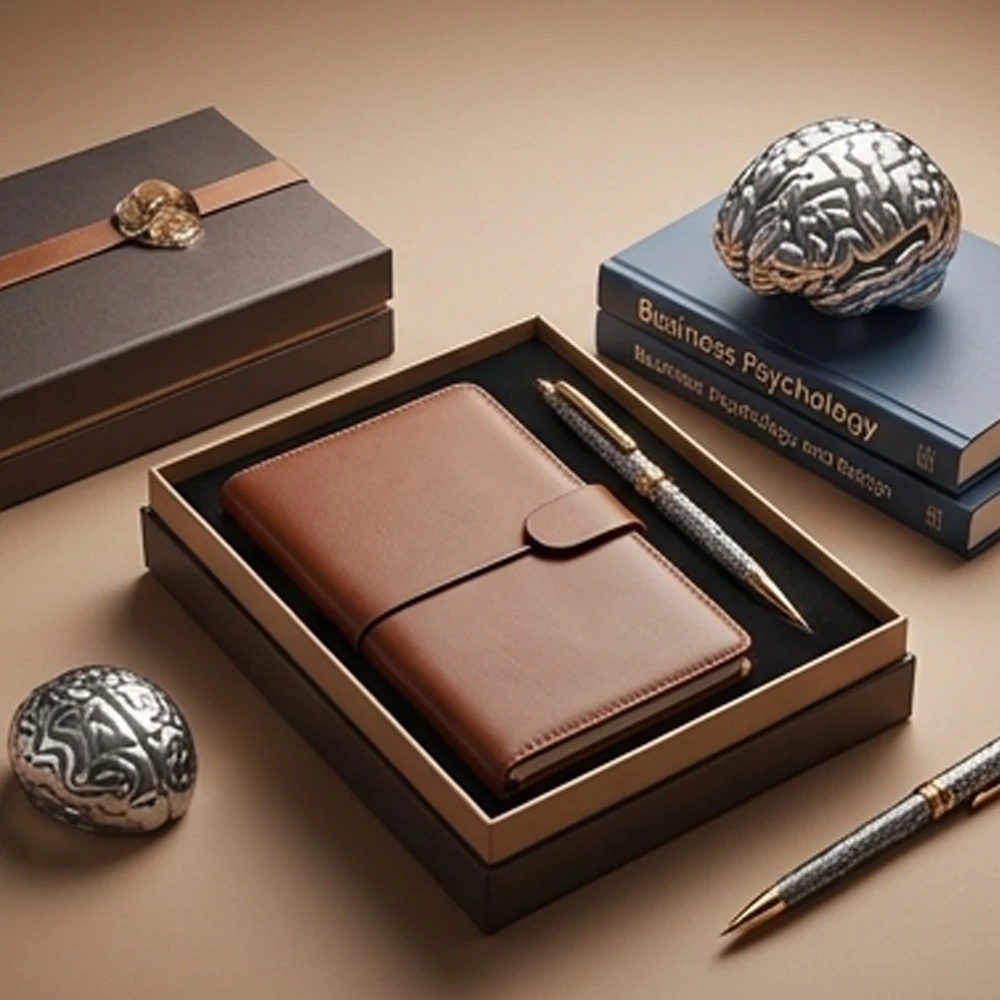
Diary and pen sets are a step up — popular for Diwali gifting, client appreciation, and conference kits.
Keychains and Key Accessories
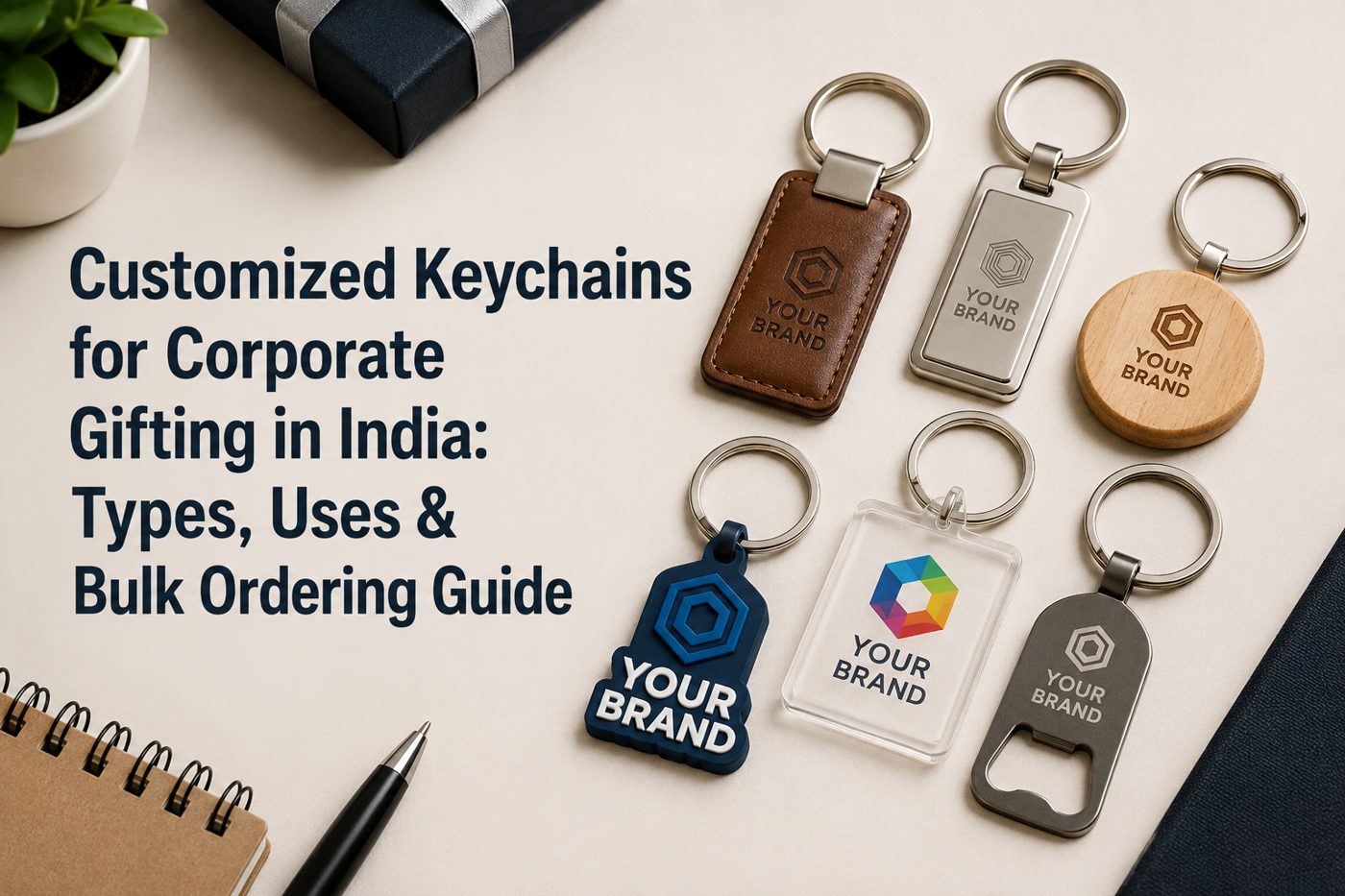
The custom logo keyring is one of the highest-performing promotional items in terms of daily impressions. Think about it: people check their keys multiple times a day. A well-made metal or rubber keychain with your brand on it is seen at home, in the car, at the office, and everywhere in between.
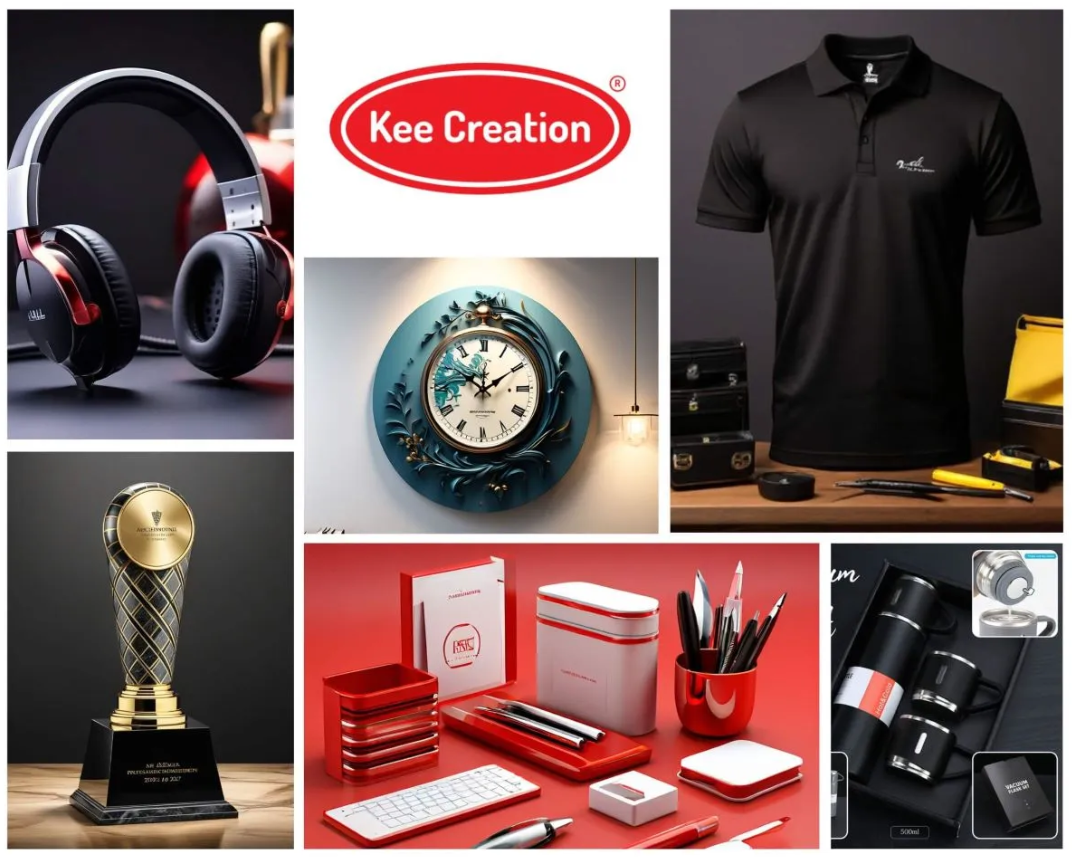
At Kee Creation, customized keychains are one of the most requested product categories — especially from pharma companies doing doctor outreach, beverage brands activating at events, and FMCG companies running distributor reward programs. The versatility is hard to beat.
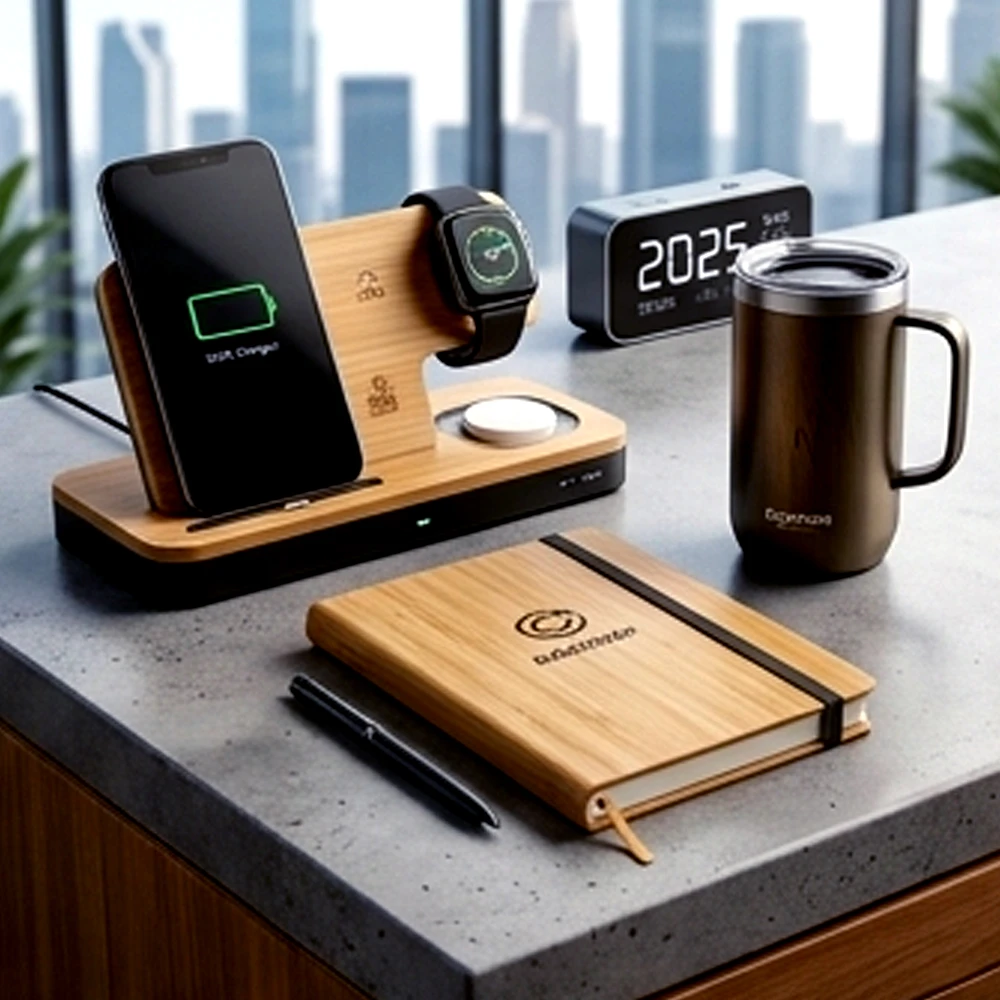
Desk and Office Accessories
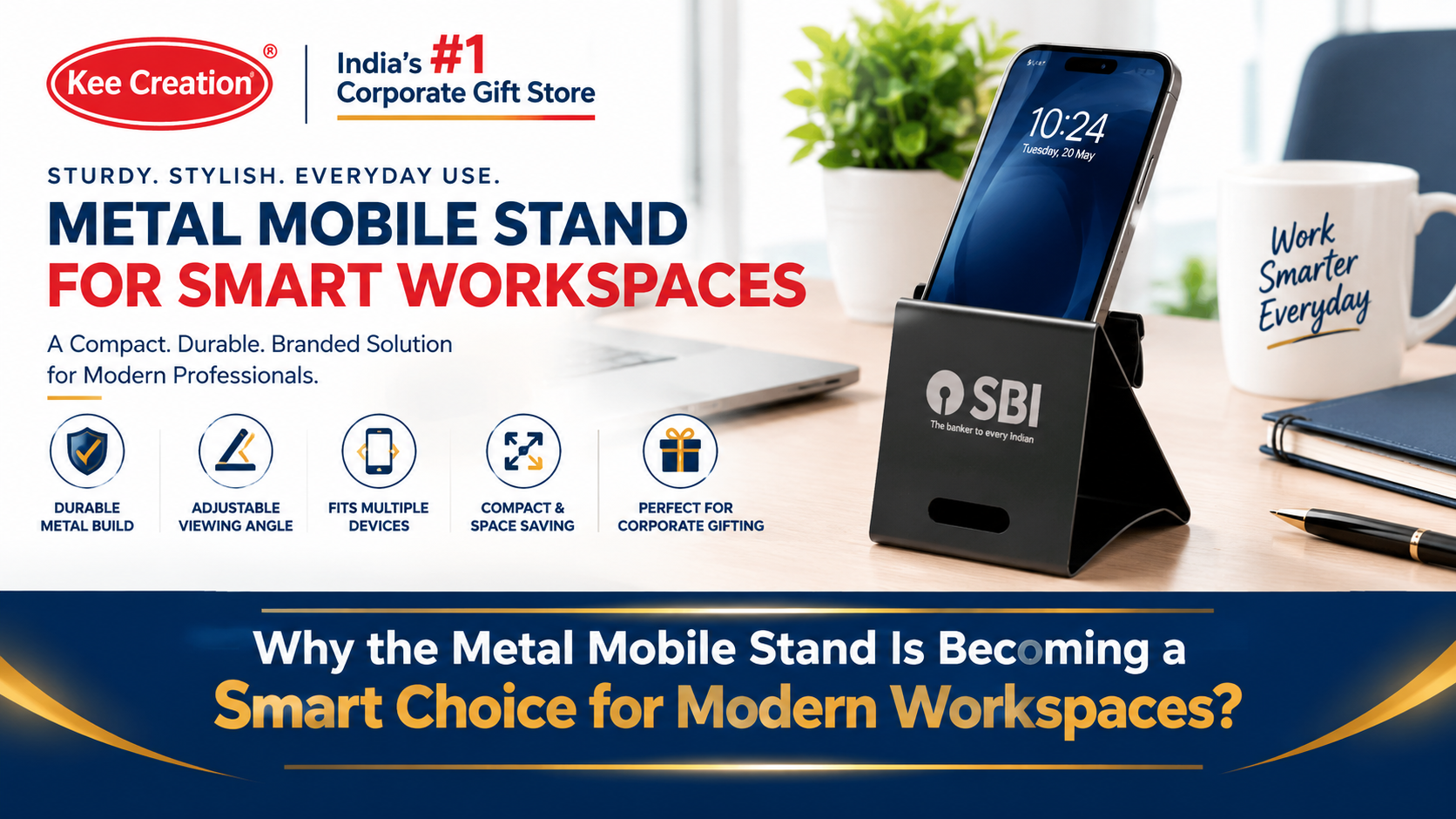
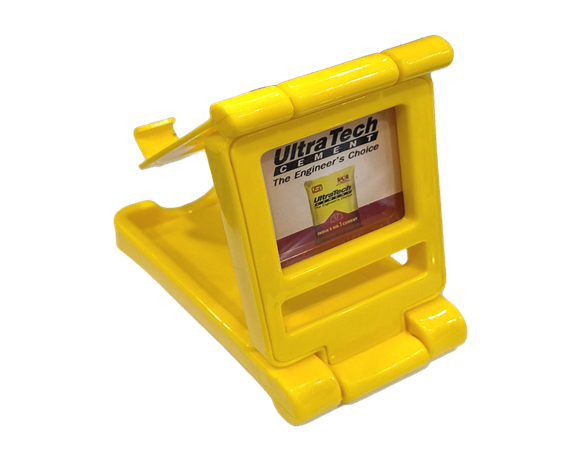
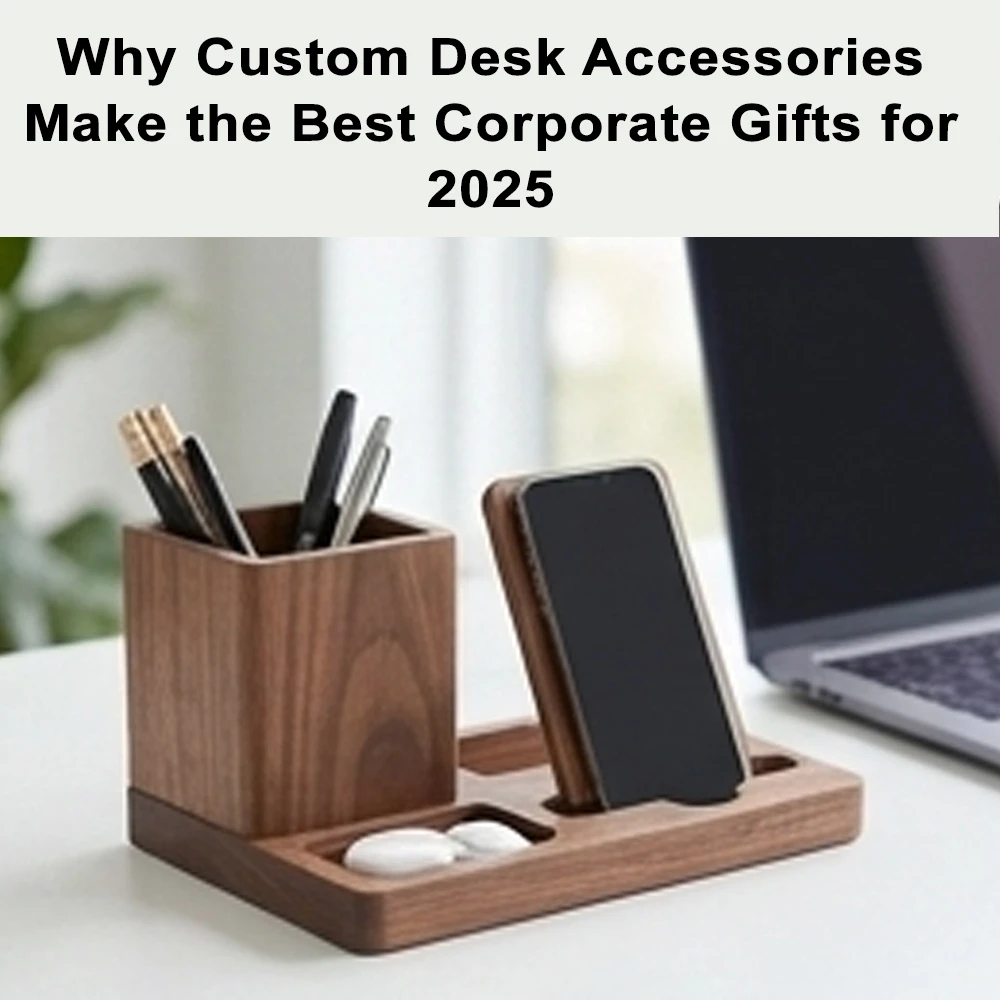
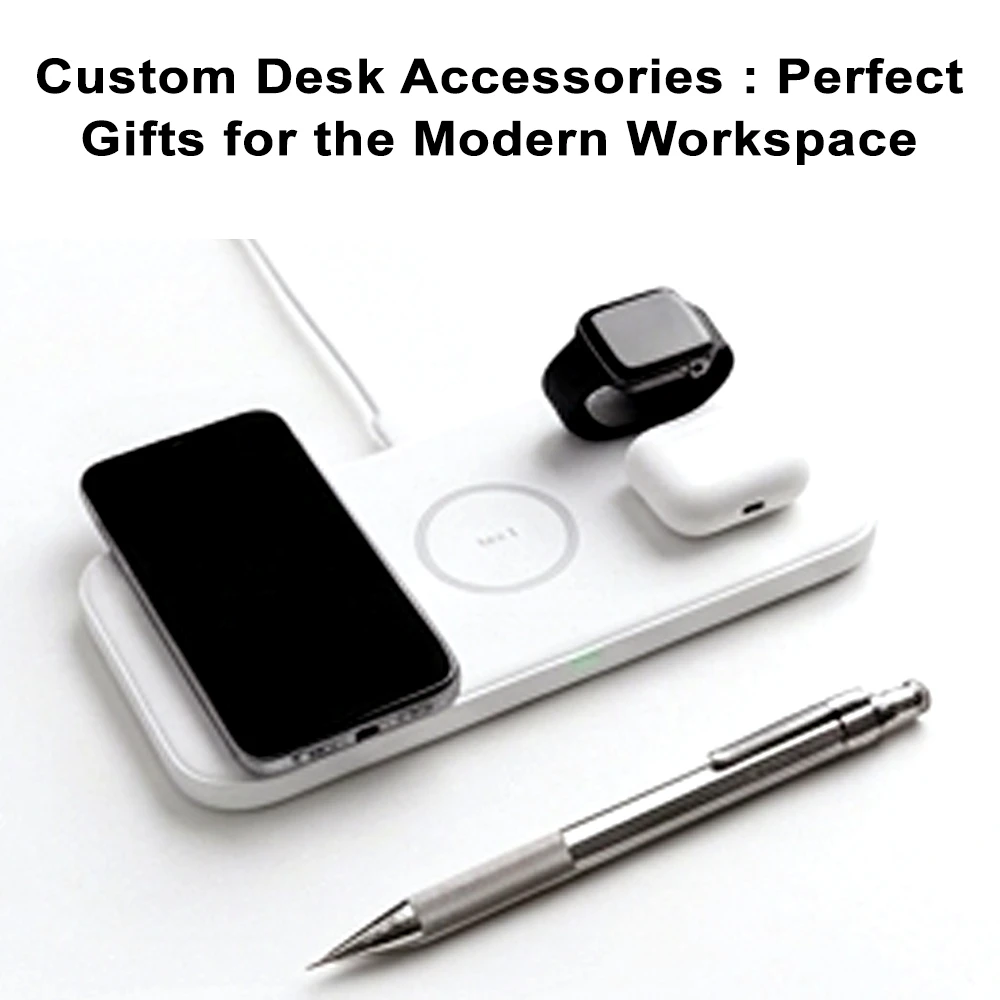
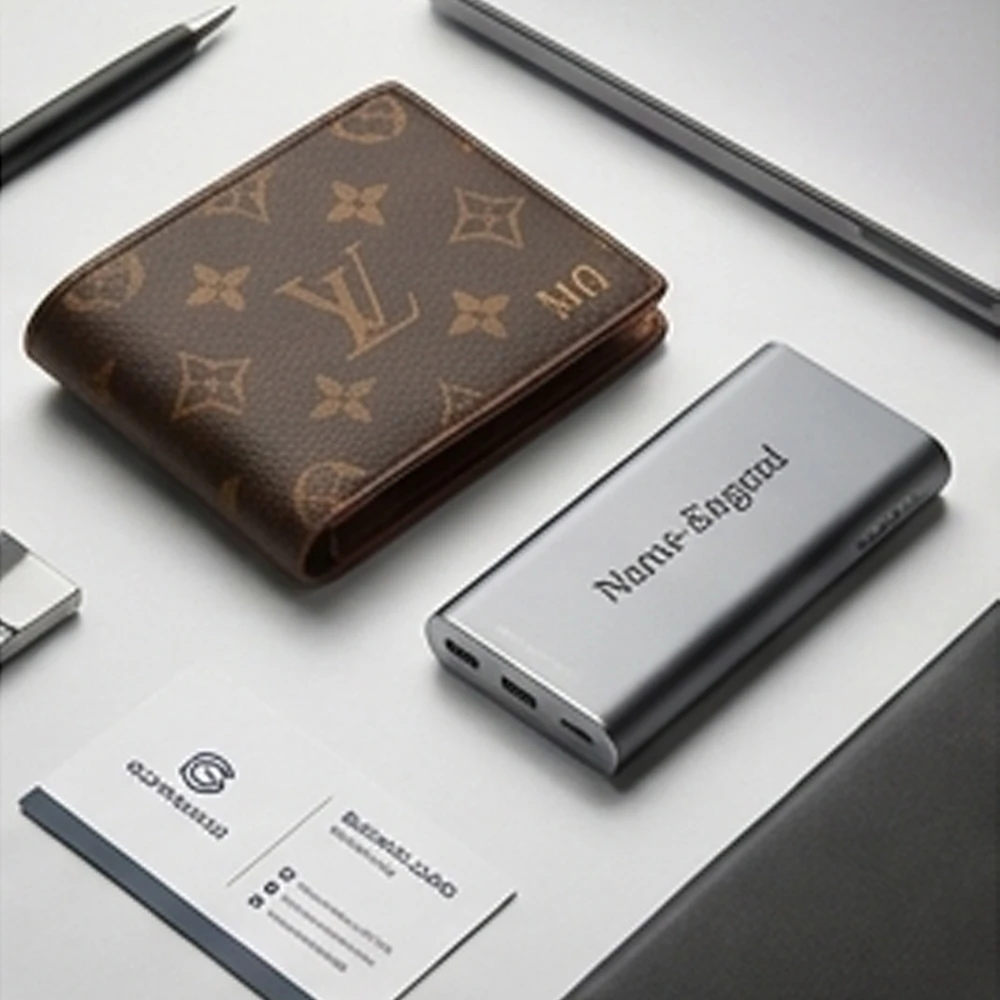
Pen stands, paperweights, business card holders — these live on desks and stay visible for months. For B2B brands especially, desk accessories are a smart choice because your logo is right there every time a decision-maker sits down to work.
Bottles and Drinkware
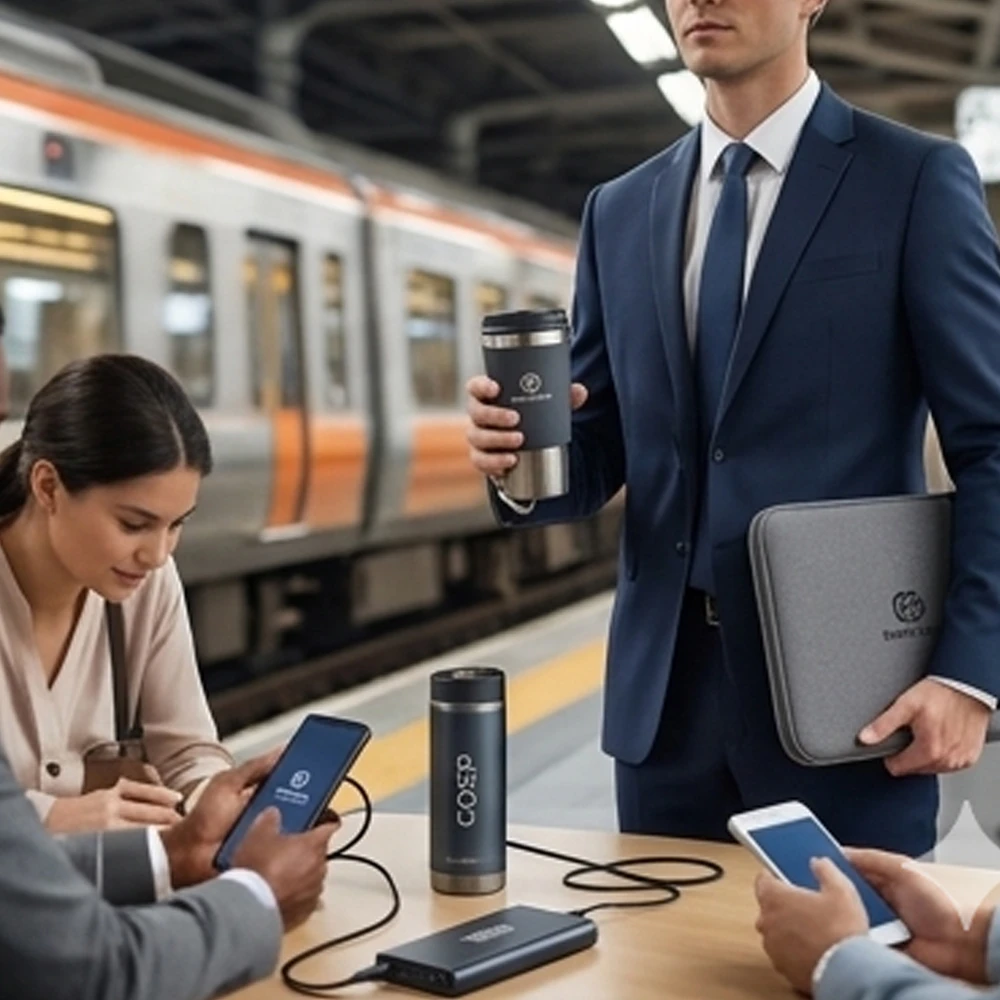
Custom water bottles and mugs are high-utility, high-visibility products. They travel with people — to the gym, to the office, to client meetings. Popular with healthcare brands, wellness companies, and corporate HR teams.
Bags and Apparel
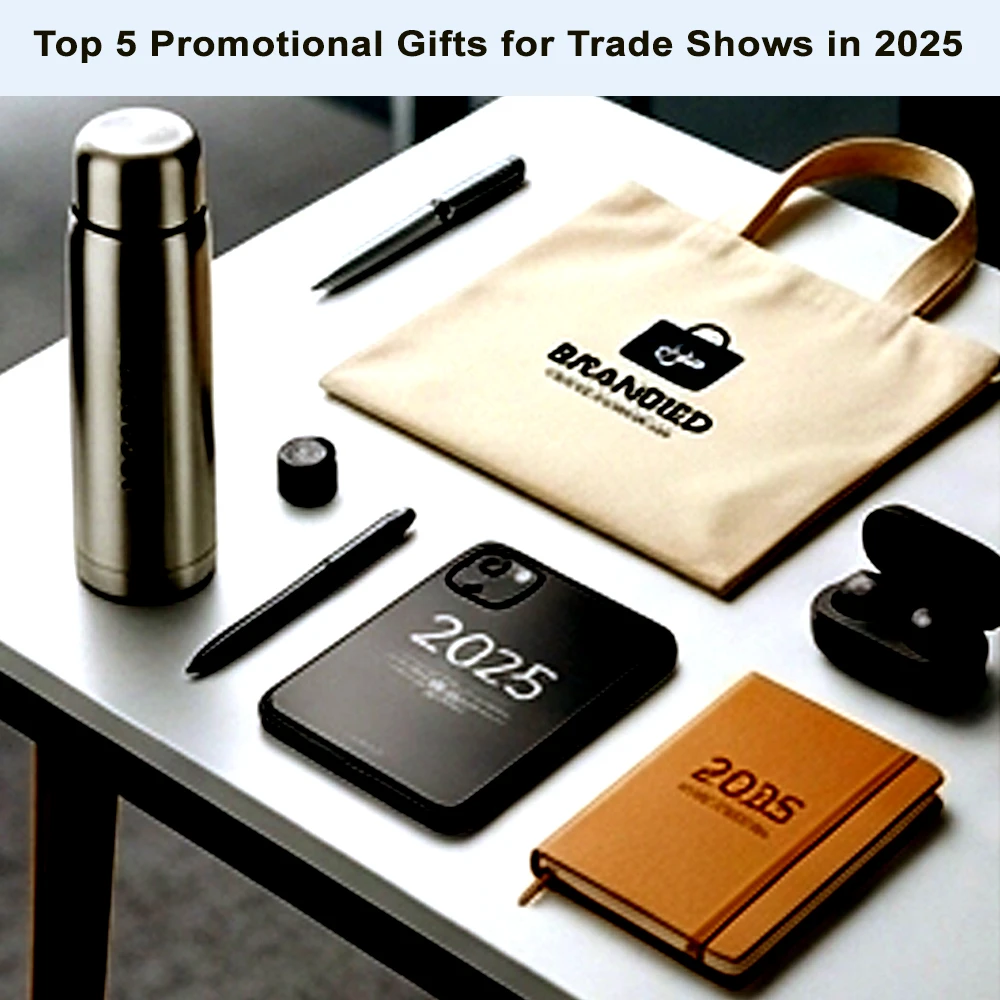
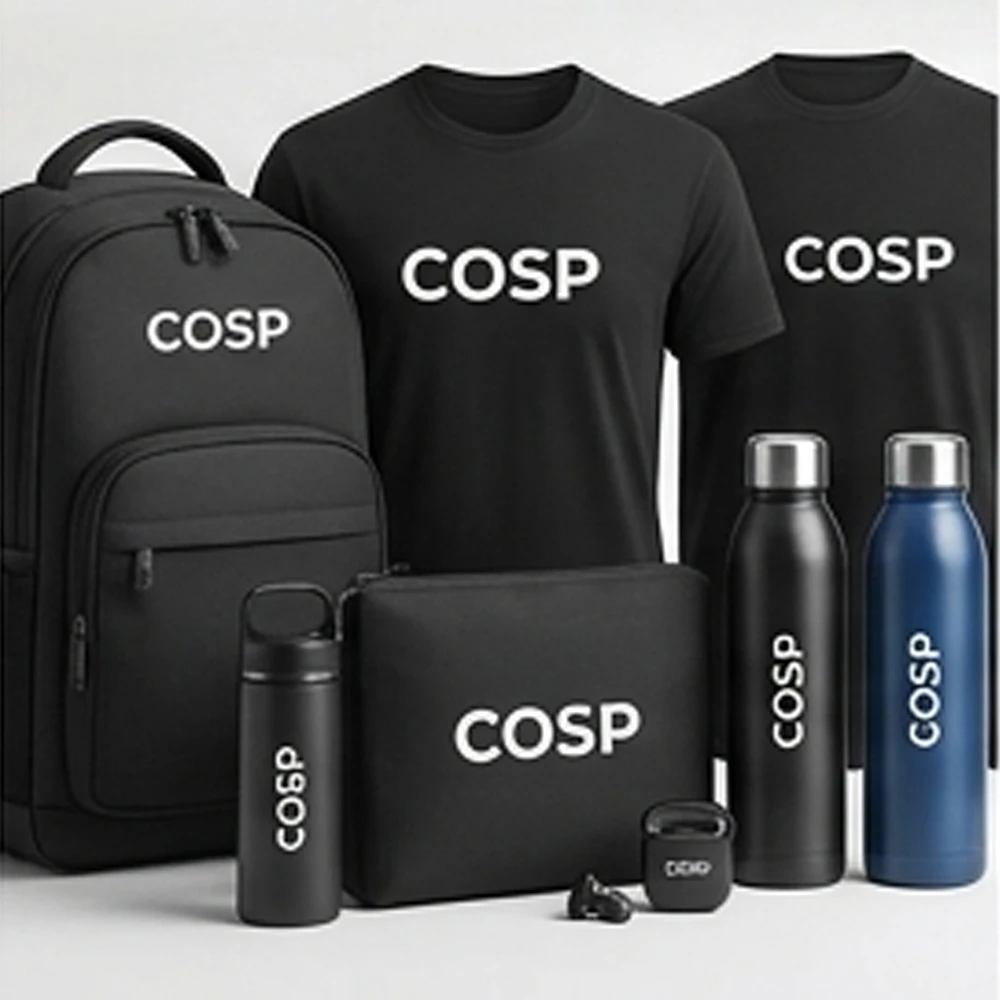
Tote bags, backpacks, T-shirts, and caps. High-impact at events and activations. These turn your recipients into walking brand ambassadors — but only if the product is something people actually want to use or wear.
Notebooks and Diaries
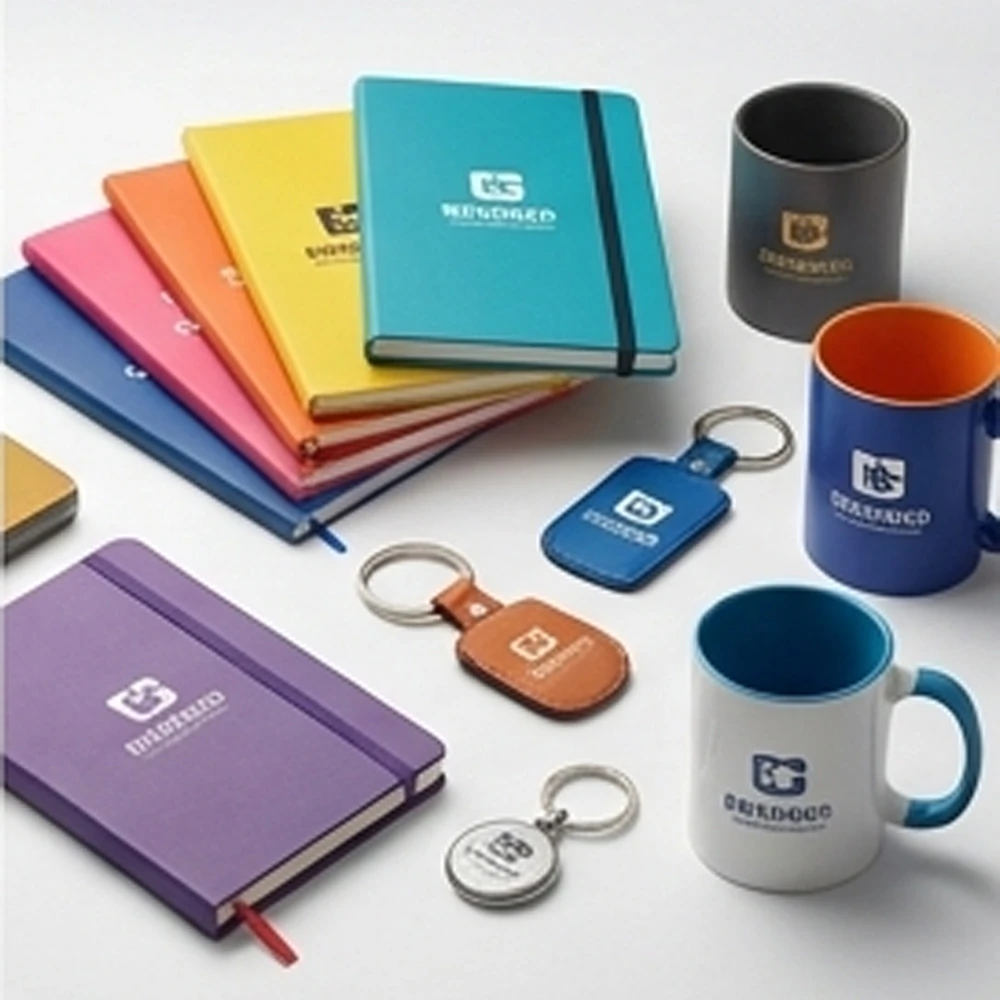
Despite everything going digital, branded notebooks and diaries remain popular corporate gifts. A quality hardbound diary with your logo is a perceived high-value gift at a reasonable cost — making it a favourite for year-end and festive gifting.
How Do You Choose the Right Promotional Product for Your Brand?
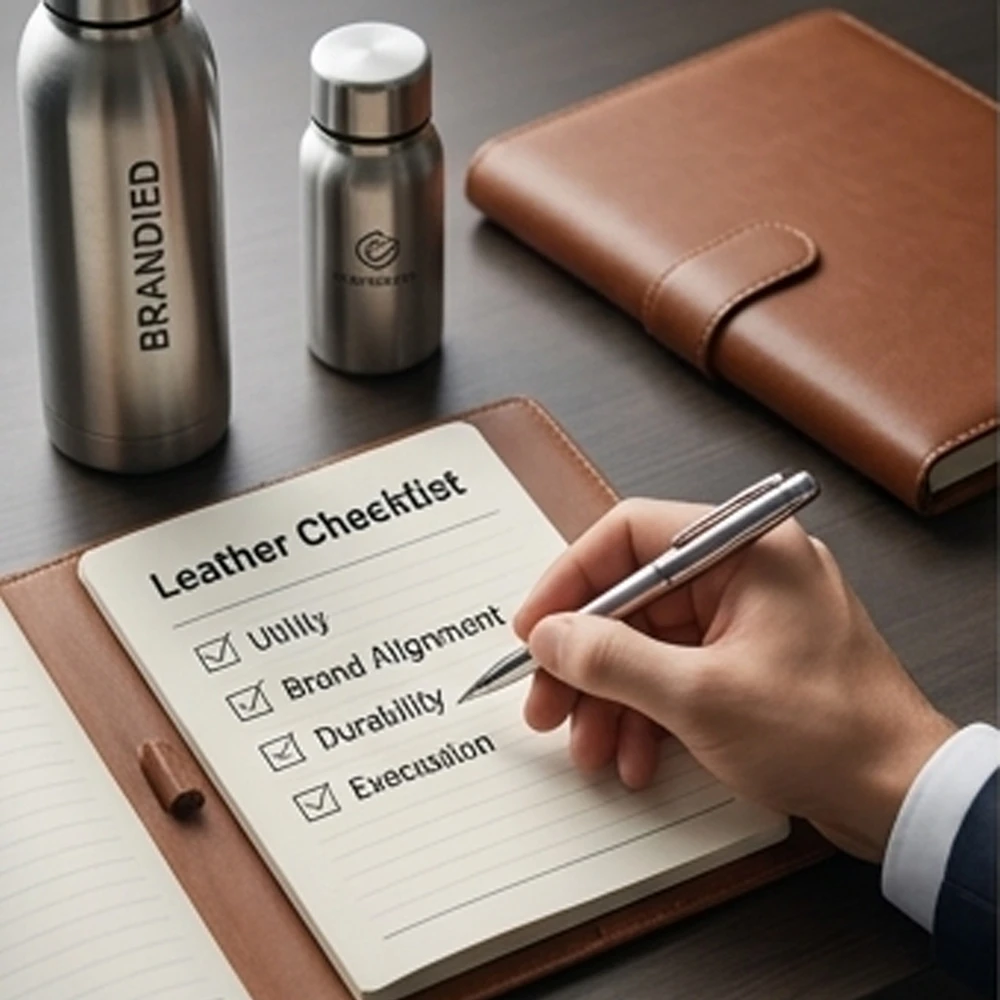
This is where most brands get it wrong. They default to whatever is cheapest or most common, without thinking about fit. Here’s a simple framework:
1. Who is receiving it?
A gift for a senior doctor is very different from a giveaway at a street activation. Think about the recipient’s daily context. What do they actually use? What would they keep vs. throw away? A promotional pen works across the board; a fidget spinner does not.
2. Where will it be used?
Desk items work for office-based professionals. Keychains and bottle openers work for everyone. Bags and apparel work for outdoor events. Match the product to the context where you want your brand to show up.
3. What is the occasion?
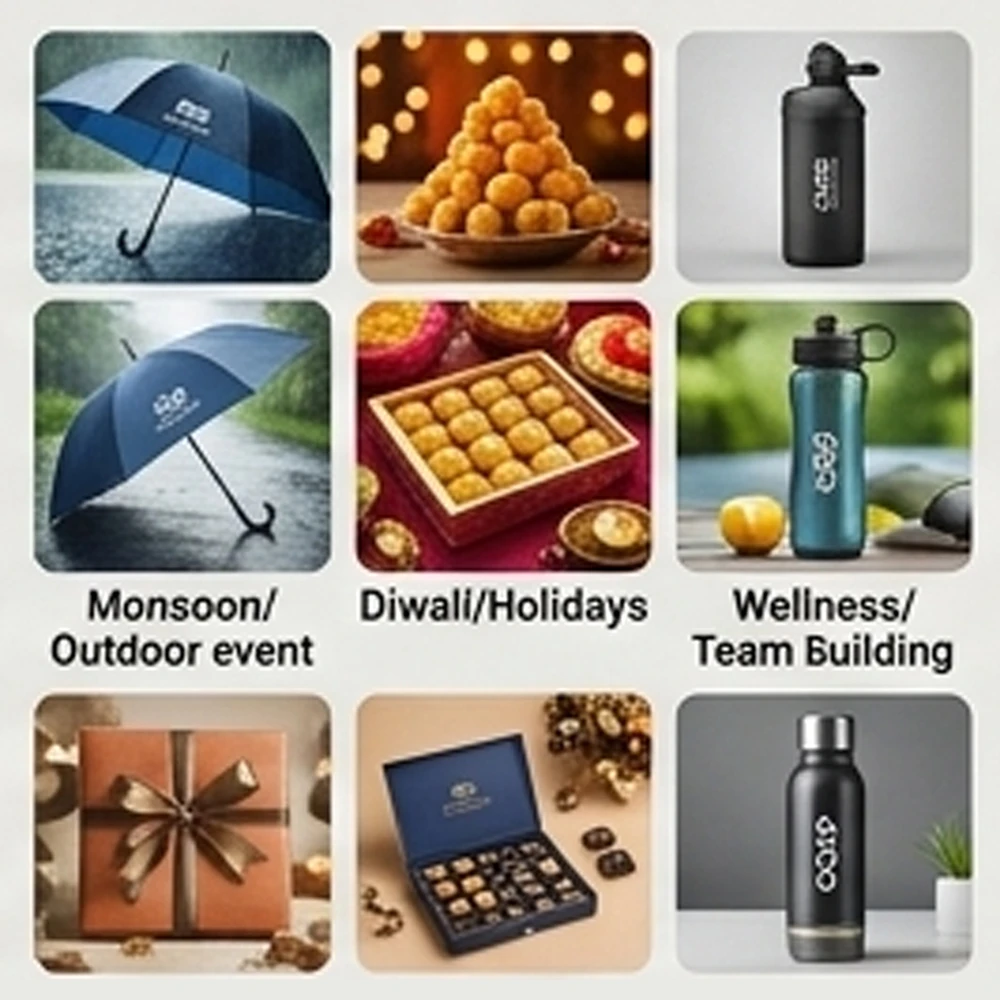
Trade fair giveaway, Diwali gift, employee onboarding kit, client appreciation — each occasion has a different acceptable price point and product type. What feels generous at one event might feel cheap in another context.
4. What’s your brand personality?
A premium financial services brand probably should not be giving away cheap plastic keychains. A fun consumer brand can get away with quirky, colourful items. Your promotional product should feel like an extension of your brand — not an afterthought.
This is something we spend a lot of time on with clients at Kee Creation — helping brands match product type, material, and finish to their brand positioning before a single unit gets manufactured.
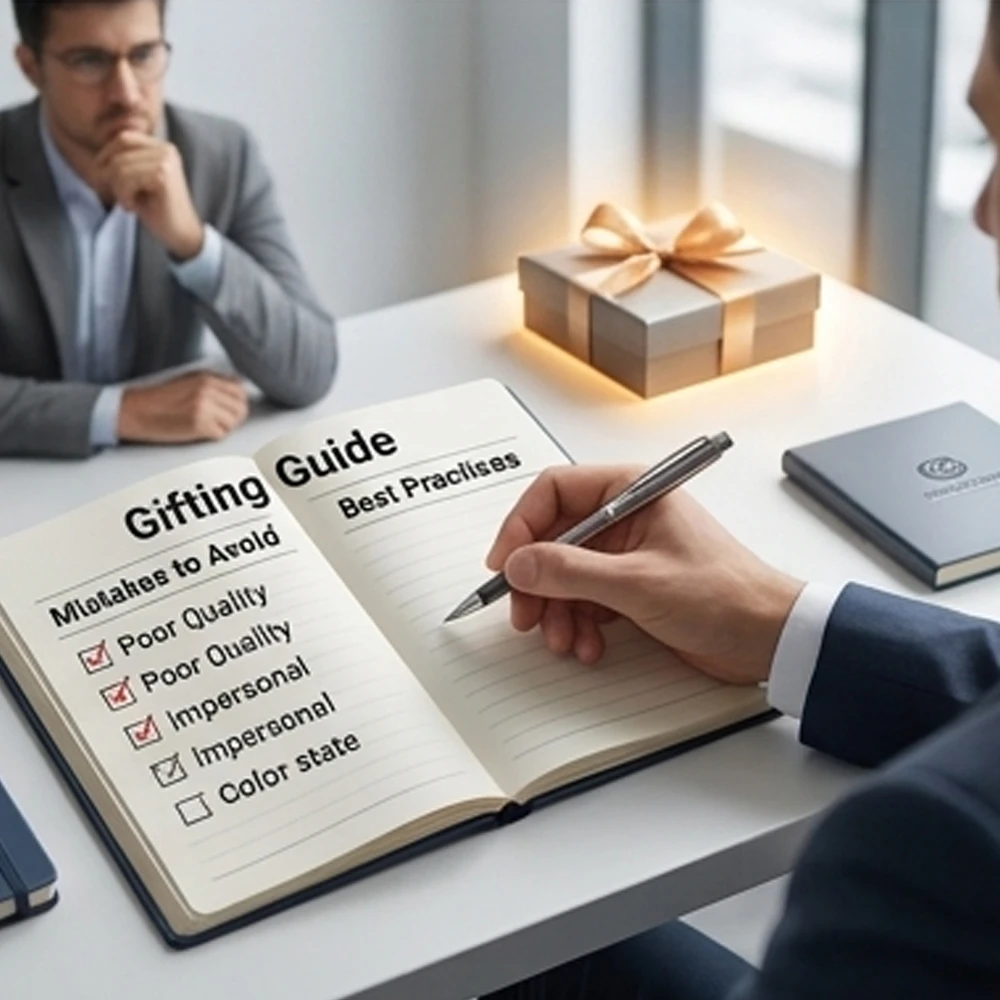
What Are the Most Common Mistakes Brands Make with Promotional Products?
Prioritising price over quality
A pen that stops working after two days is worse than no pen at all. It tells the recipient: your brand cuts corners. For high-touchpoint items like branded pens with logo or keychains, quality is non-negotiable. The difference in cost between a decent product and a poor one is often just a few rupees per unit.
Not thinking about utility
Novelty items — stress balls shaped like your product, miniature figurines, etc. — might get a smile at the event, but they rarely last. Useful items last. When in doubt, ask yourself: would someone keep this if the logo wasn’t on it?
Ignoring print and finish quality
You can have the best product in the room and ruin it with a poorly printed logo. Faded ink, crooked placement, or a colour that doesn’t match your brand identity will undermine the whole exercise. Always ask for samples and proofs before placing bulk orders.
Ordering too late
Customised products need lead time — especially for larger orders with complex branding. Ordering three days before a conference is a recipe for disaster. Plan four to six weeks ahead for most orders, longer for large volumes or complex customisation.
Promotional Products in the Indian Market: What’s Different?
India has a few specific dynamics worth knowing if you’re planning a promotional products India campaign.
First, festive seasons matter more here than anywhere else. Diwali, Holi, and the financial year-end are peak windows for corporate gifting and branded merchandise. Plan your promotional calendar around these windows.
Second, relationship-based business culture means a physical gift goes a long way. In markets where deals are often built on personal trust — pharma, FMCG distribution, manufacturing — a well-chosen promotional item reinforces that relationship in a way an email never will.
Third, price sensitivity is real, but it cuts both ways. Buyers are smart about cost, but they also notice when something is cheap. The sweet spot is high perceived value at an efficient cost — which is exactly what well-manufactured customized keychains, pens, and desk accessories deliver.
The Bottom Line
Promotional products are one of the few marketing tools that keep working long after the campaign ends. The right item — well-made, thoughtfully chosen, and properly branded — can put your logo in front of the right people every single day, at a cost per impression that most other channels can’t match.
The key is treating them as a strategic decision, not a last-minute checkbox. Think about who’s receiving it, what they’ll actually use, and what impression you want to leave behind.
If you’re planning your next promotional run and want help figuring out the right products for your brand, let’s talk.







.png)
.png)
.png)
.png)
.png)
.png)